Tue, December 10, 2024
New Zealand to prohibit greyhound racing due to injury rates
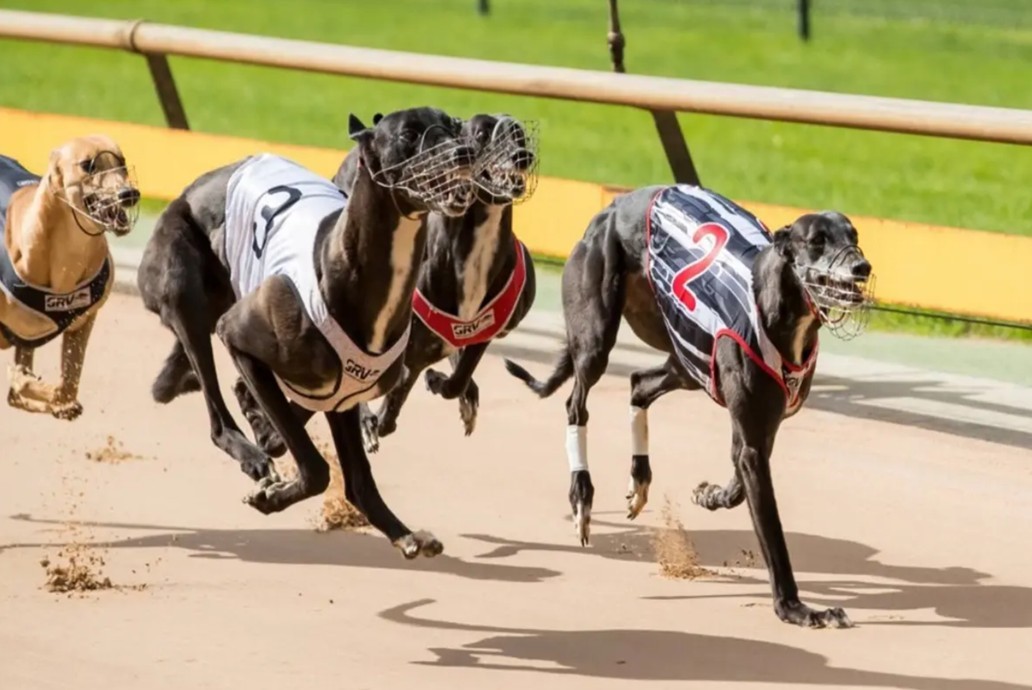
The New Zealand government has announced plan to prohibit greyhound racing from 2026 due to significantly high injury rates. Commercial greyhound racing is currently permitted in only five countries, including New Zealand. The others are the U.S., Ireland, Australia and Britain.
Over the past decade, three reviews of New Zealand’s greyhound racing industry voiced that significant change was required.
Winston Peters, Deputy Prime Minister and Minister for Racing, expressed: “While fewer dogs are dying, injury rates, while down slightly, have plateaued and remain unacceptably high.”
The plan is to gradually reduce greyhound racing over a 20-month period before bringing it to a complete end. An advisory committee has been created to assist with rehoming roughly 2,900 racing dogs, according to Peters.
Last Tuesday, the New Zealand government introduced a bill, with the support of the opposition Labour Party and Green Party, to prohibit the unneeded and careless killing of racing dogs.
Peters stated that in 2025, more legislation will be instated to help outlaw greyhound racing completely. A select committee process will permit any interested parties, including the greyhound industry, to make submissions on the legislation.
Tangi Utikere of the Labour Party voiced: “Labour is willing to work with the government to ensure a timely implementation of the ban.”
Steve Abel of the Green Party expressed: “Successive reports highlighting the cruelty, mistreatment and neglect in the industry were left to gather dust as successive governments kicked the can down the road. We acknowledge the decisive decision by Minister Winston Peters to do what should have been done years ago.”
However, this has been met with some objection. Sean Hannan, Greyhound Racing New Zealand chairman, stated that the decision was a “devastating blow” and that there has been significant investment in reforming the industry.
Hannan expressed: “We are extremely disappointed that the government has not recognised the work the industry has done to address areas of concern – to the extent that it now leads the wider racing industry with its commitment to animal welfare. We are extremely concerned for the future of the industry’s greyhounds, which may no longer be a breed seen in New Zealand.”
He continued: “This decision is not just about the sport – it affects families, businesses, and communities who have dedicated their lives to caring for and racing greyhounds.”
Data shows that greyhound racing makes up 8.5% of New Zealand's NZ$1.3 billion racing industry, and that there are just over 1,000 full-time jobs involved in New Zealand’s greyhound racing industry. There are seven greyhound race clubs and six tracks in New Zealand, and there were approximately 4,800 races during the 2023-2024 year. Now, clubs and tracks are set to be closed by the end of 2026.
Image courtesy of Free Malaysia 2024, licensed for free use. For full license details, please see here.