
Mon, July 21, 2025
High Court permits Wimbledon site extension despite protests
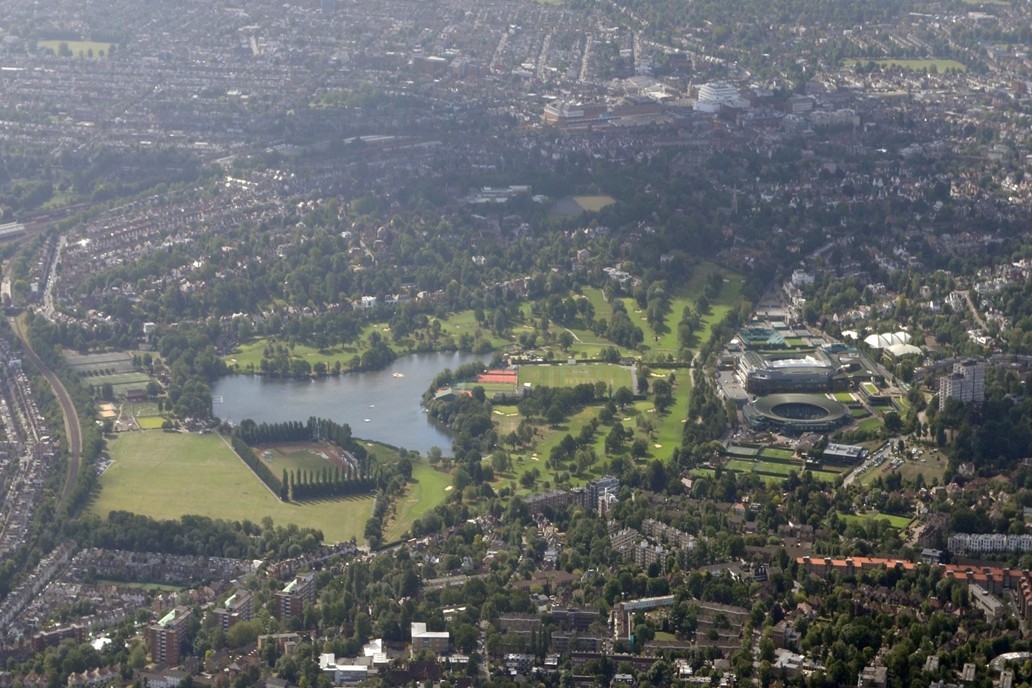
39 new courts will be added to the Wimbledon site despite protests against the expansion, according to The Guardian. The High Court also permitted the creation of an 8,000-seat show court on the grounds of the old Wimbledon Park golf club.
The Wimbledon tennis tournament is owned and organised by the All England Lawn Tennis Club (AELTC). The AELTC is a private members’ club that also owns the grounds where the tournament is held. Organisations such as Save Wimbledon Park (SWP) initiated legal action against the Greater London Authority (GLA) because last year it permitted the AELTC to almost triple its size with this expansion. SWP called for the GLA’s decision to be overturned, but the site’s enlargement will now most likely go ahead after the High Court ruling.
AELTC chair, Deborah Jevans, voiced: “It is clear that we have a robust planning permission that enables us to create a permanent home for the Wimbledon qualifying competition as well as delivering 27 acres of beautiful new parkland for local people, providing public access to land that has been a private golf course for over 100 years.”
The green space will also reportedly be open throughout the year, even outside the championships. According to the club, enhanced facilities and greater space will aid player development and uphold an image of prestige.
The Mayor of London, Sadiq Khan, seconded this, expressing that the expansion would “cement Wimbledon’s reputation as the greatest tennis competition in the world and London as the sporting capital of the world.”
He continued: “This scheme will bring a significant range of economic, social, cultural and environmental benefits to the local area, the wider capital and the UK economy, creating new jobs and green spaces.”
British High Court Judge, Justice Saini, stated: “In short, the defendant’s decision on the relevance of deliverability, applying to both the statutory trust and the restrictive covenants, was a planning judgment rationally exercised and having regard to appropriate and relevant factors.”
Conversely, SWP Director, Christopher Coombe, expressed: “This judgment would, if it stands, set a worrying precedent for the unwanted development of protected green belt and public open spaces around London and across the country.”
Coombe continued: “The [All England Club] will surely have noted the considerable public outrage about this development, most recently expressed outside the law courts, and we continue to hope that they could be persuaded to engage constructively with us, with a view to achieving a resolution of this four-year-old dispute.”
Furthermore, protesters continue to highlight that the expansion of the site would be on metropolitan open land which has the same protected status as green belt and would therefore be illegal.
Image courtesy of Wikimedia Commons, licensed for free use. For full license details, please see here.